Author Archives: carrollvanwest

Tennessee Cherokees and Indian Territory

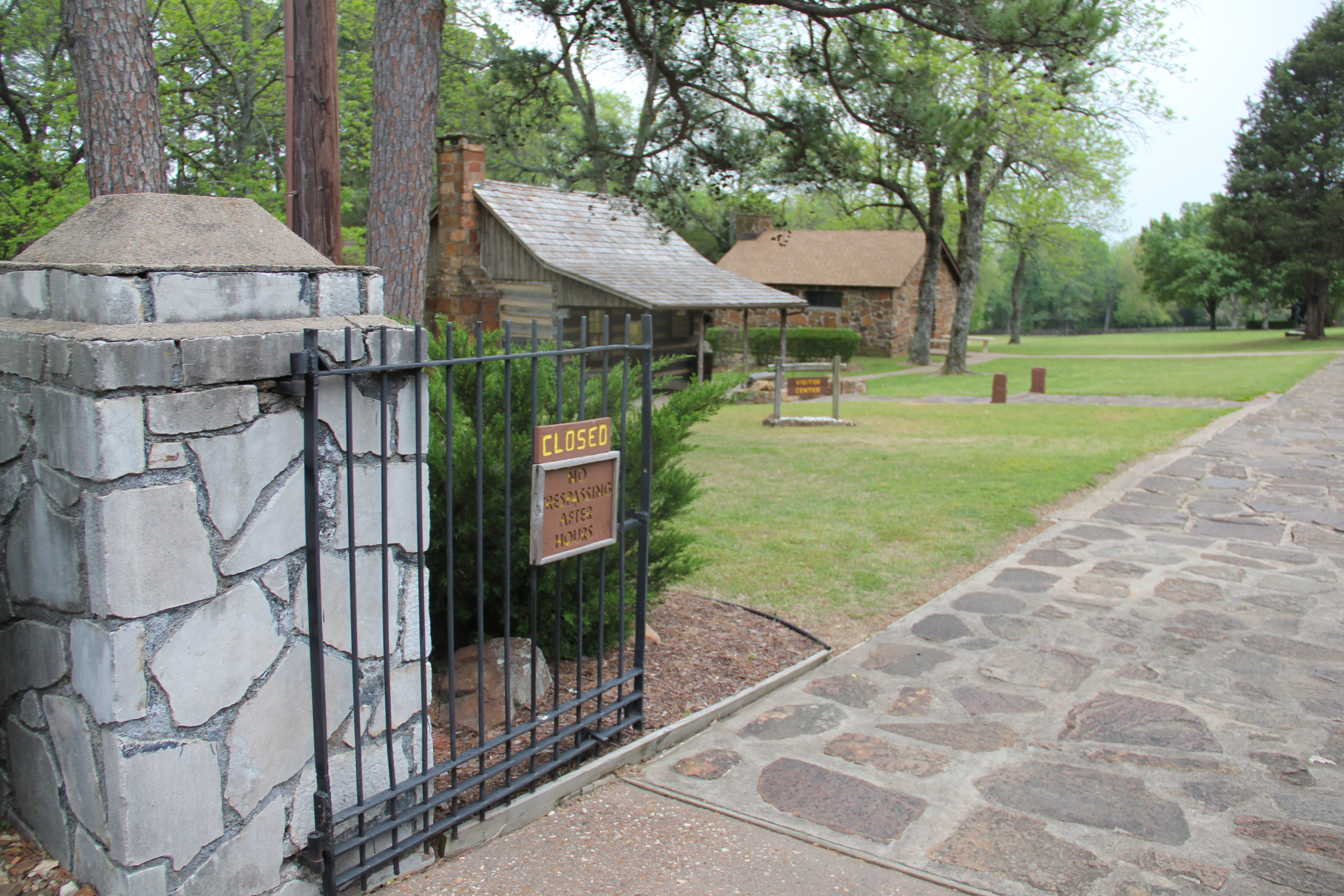
This week my colleague Amy Kostine and I are working to finish the boots-on-the-ground survey of the Trail of Tears, focusing on routes in Arkansas, Missouri, and Oklahoma.  Once acknowledged as Indian Territory, Oklahoma today has a very interesting state historic site focused on Sequoyah–the Sequoyah Cabin, where he lived from the late 1820s through the 1830s, when thousands of Cherokees began to arrive in Indian Territory from the Trail of Tears in 1838 and 1839.Image.
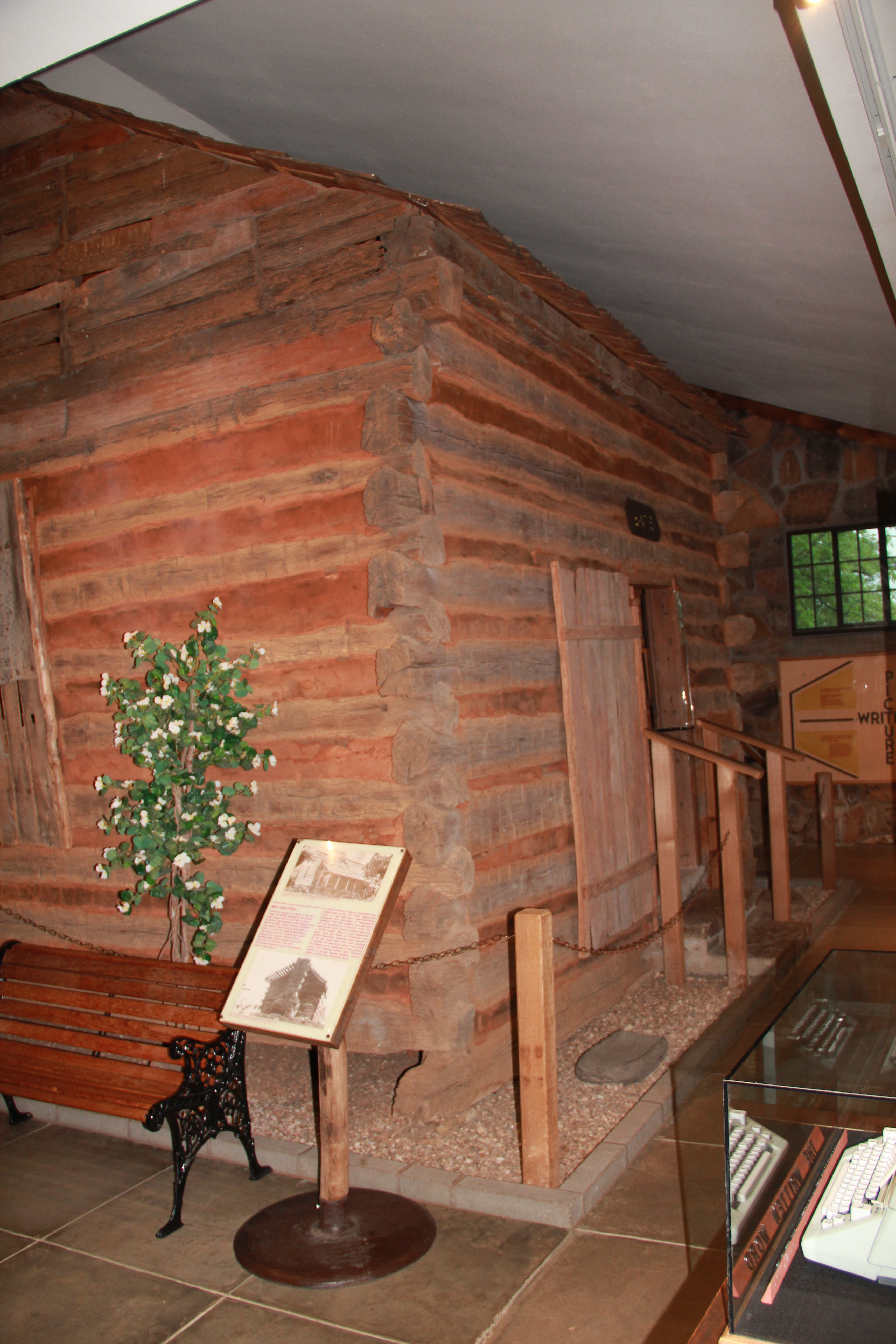
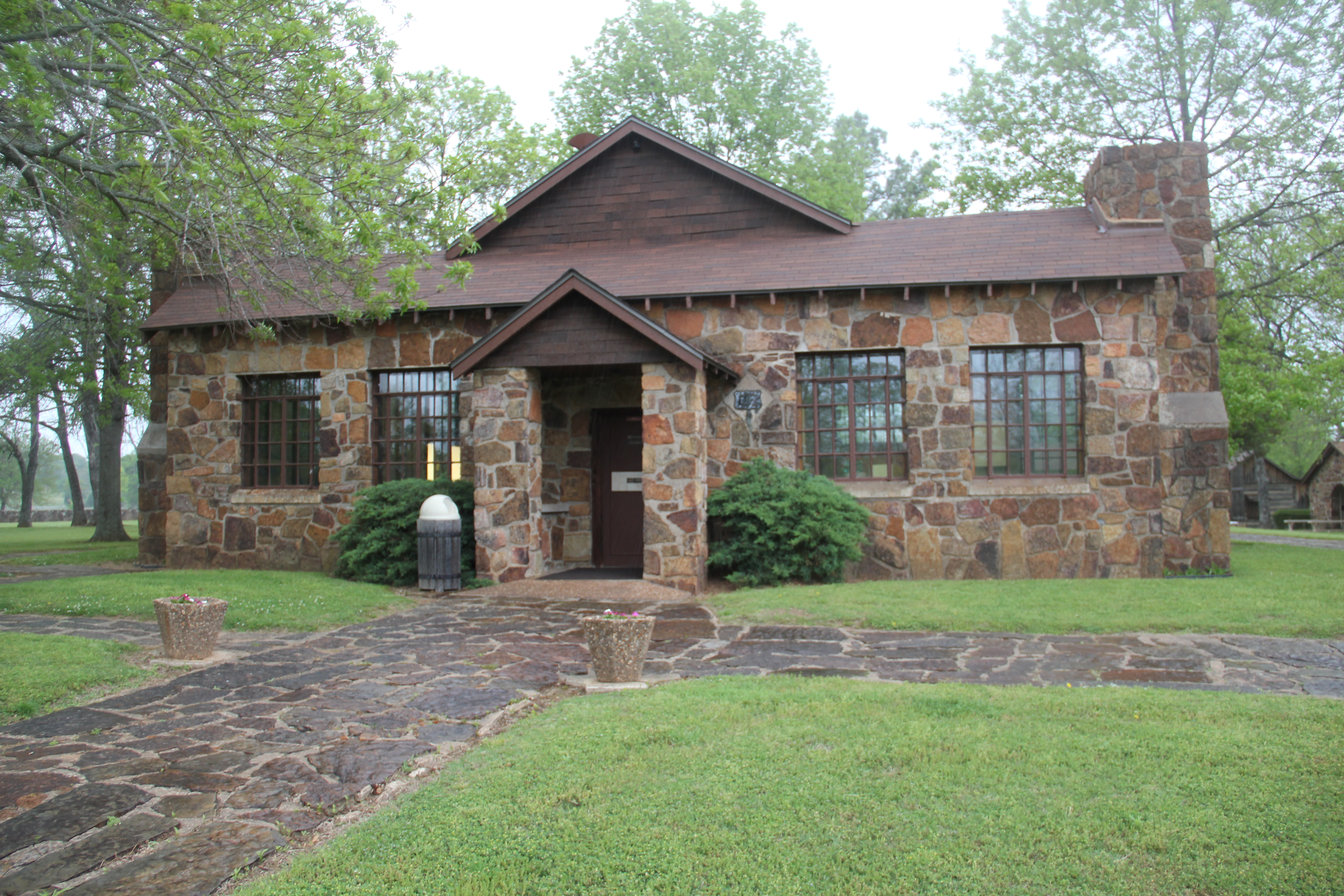
The small square cabin is encased in a very 1930s looking stone veneer memorial building, designed by Willard Stone and executed by the Works Progress Administration in 1936.  Indeed, the entire park is a WPA wonderland, with a stone wall lining the boundaries, a stone water tank, stone restrooms, and a log visitor center, which the WPA crew made from a second cabin that had been attached to the Sequoyah Cabin in the mid-nineteenth century.
Image


Image Image


Another famous Tennessee Cherokee that I encountered today was at the grave of Talahina, the Cherokee wife of Sam Houston, at the Fort Gibson National Cemetery in Oklahoma.  She is buried in a circle of honor around the flagpoles in this historic and very moving cemetery.

Image 

Tennessee State Parks and Trail of Tears

20140504-121424.jpg

For over 40 years Tennessee state parks have been central to telling the story of the Cherokee Removal. For most of that time, the focus was at Red Clay State Park in Bradley County, shown above.

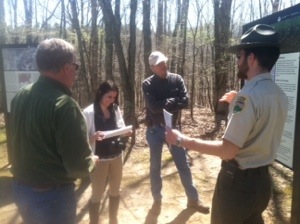
But in the last year, officials at David Crockett State Park in Lawrenceburg have marked extant sections of the trail and with the help of the National Park Service and the MTSU Center for Historic Preservation have set up interpretive panels, shown below.

20140504-122019.jpg

20140504-122045.jpg

This new effort, also found at Port Royal State Park, help to show the impact of the Trail of Tears, then and now.

Mt Zion Missionary Baptist church and cemeteries, Sumner County

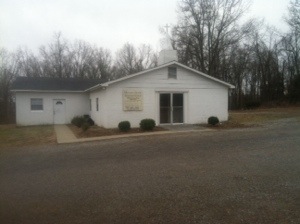
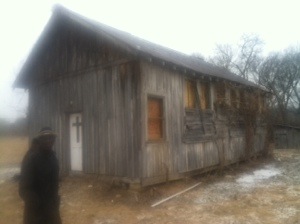
Mt Zion, south of Bethpage, is a Reconstruction-era black community that dates to 1868, the year that the church was established.

20140404-151458.jpg
The building is a replacement from the current century and cemetery burials date from 1970.

>

20140404-151839.jpg
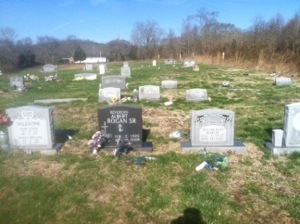
But high on a hill, within thick brush, lies the roots of this community, an almost forgotten cemetery where small stone triangles greatly outnumber grave markers.

>

20140404-152230.jpg
One grave marker, for Addie Carter who died November 1900, gives us the first clue in the deeper history of this evocative African American placel. More is to come from this field visit.

>

20140404-152708.jpg

Hortense, a rural black community in Dickson County

20140322-210721.jpg

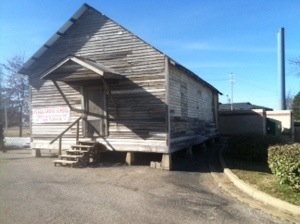
Hortense is north of Dickson and I had never heard of it until my colleague Leigh Ann Gardner brought it to my attention and we went looking for the place last week. It is not on the state highway map. Leigh Ann’s research found that it was originally a planned segregated community for blacks. In its day it had a depot, school, churches.

The Missionary Baptist church remains to mark the Hortense name.
>

20140322-211339.jpg
But the primary marker is the huge black cemetery behind the church, which the congregation is patiently clearing. Hortense is a neglected place in history but with a story worth exploring and a place and story worth celebrating.
>

20140322-211718.jpg

Sneed Acres Farm in Brentwood

Sneed Acres Farm on Old Smyrna Road in Brentwood has been known to me for about 20 years when Vance Little first emphasized the significance of the farms along the old road and then my graduate student Mary Allison Haynie conducted her county-wide survey of historic rock walls in Williamson County a few years later.

Yesterday, the family invited us to visit the property and to start discussions of its long overdue listing as a Tennessee Century Farm.  As Mary Allison had reported the farm has a remarkable set of stone walls dividing the farm from the road but also dividing fields.

Image


The barns are ingenious adaptations of earlier 19th century structures into the almost standardized look of Tennessee barns from the progressive era of the early twentieth century.  Presently the farm fields livestock: swine, cattle, horses and rich pastures are everywhere.

Image Image


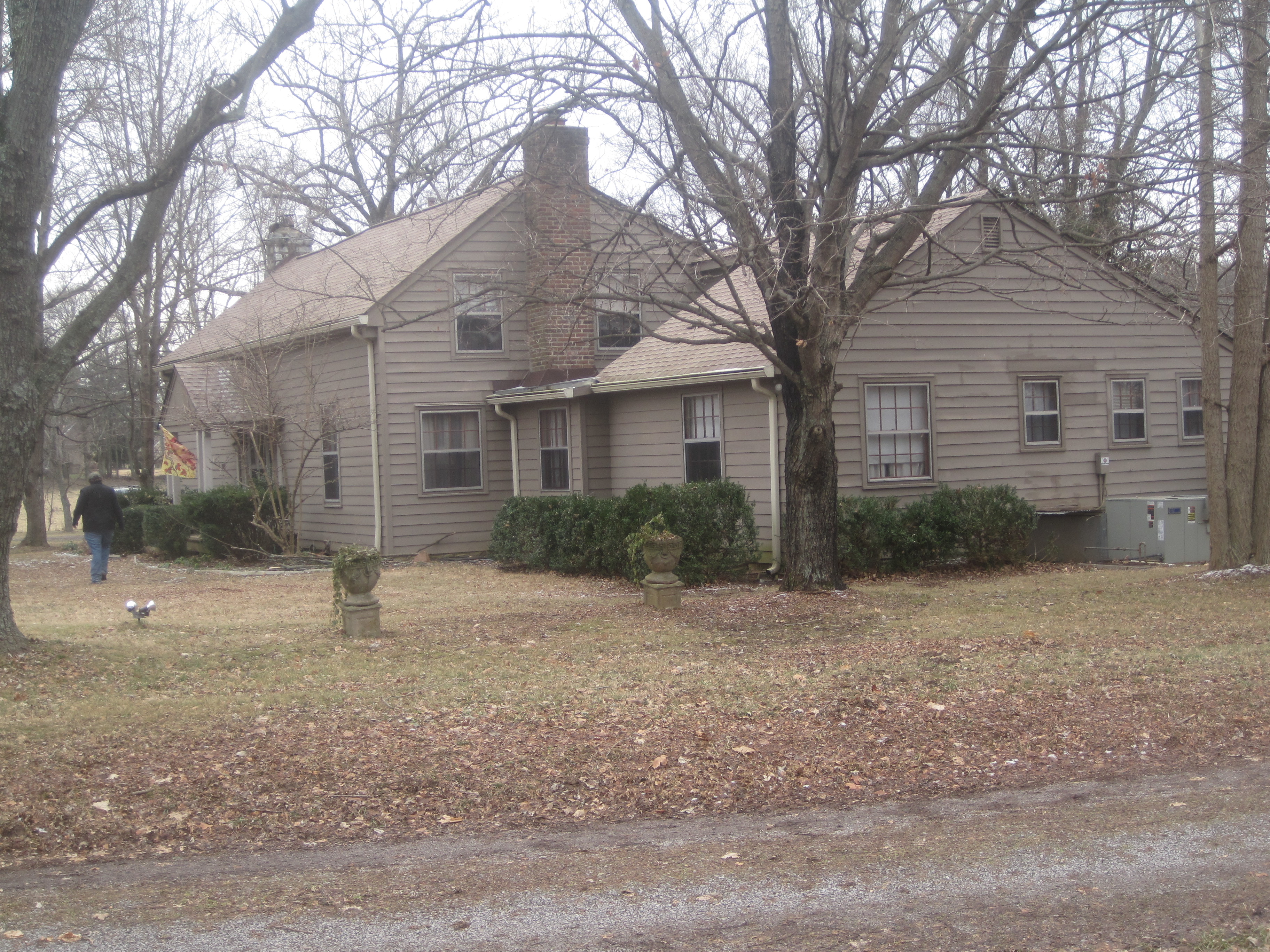
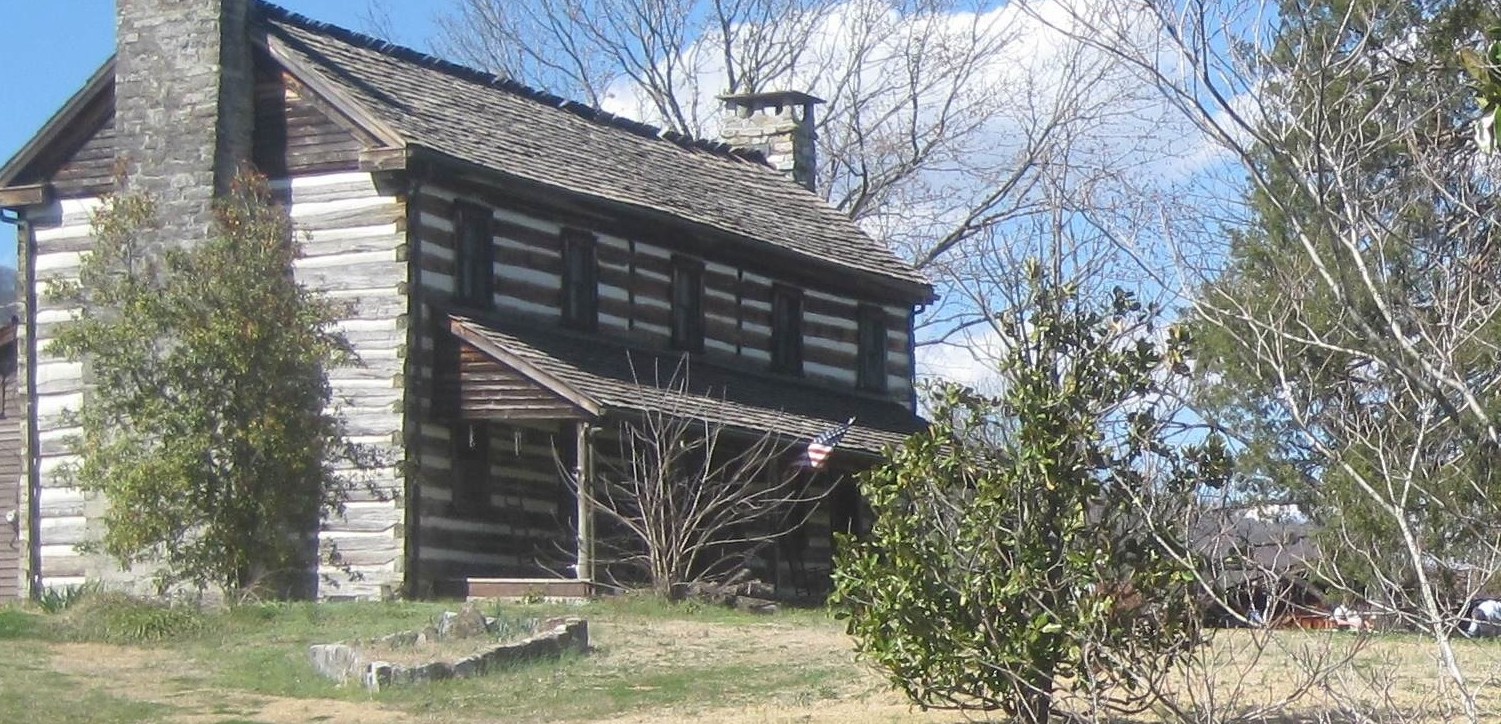
The farmhouse too is an ingenious update of Tennessee’s Frontier Revival period in domestic architecture, finished in 1977.  The earlier c. 1796 log house is exposed on the inside but the exterior has that more finished contemporary look of the revival.

Image Image


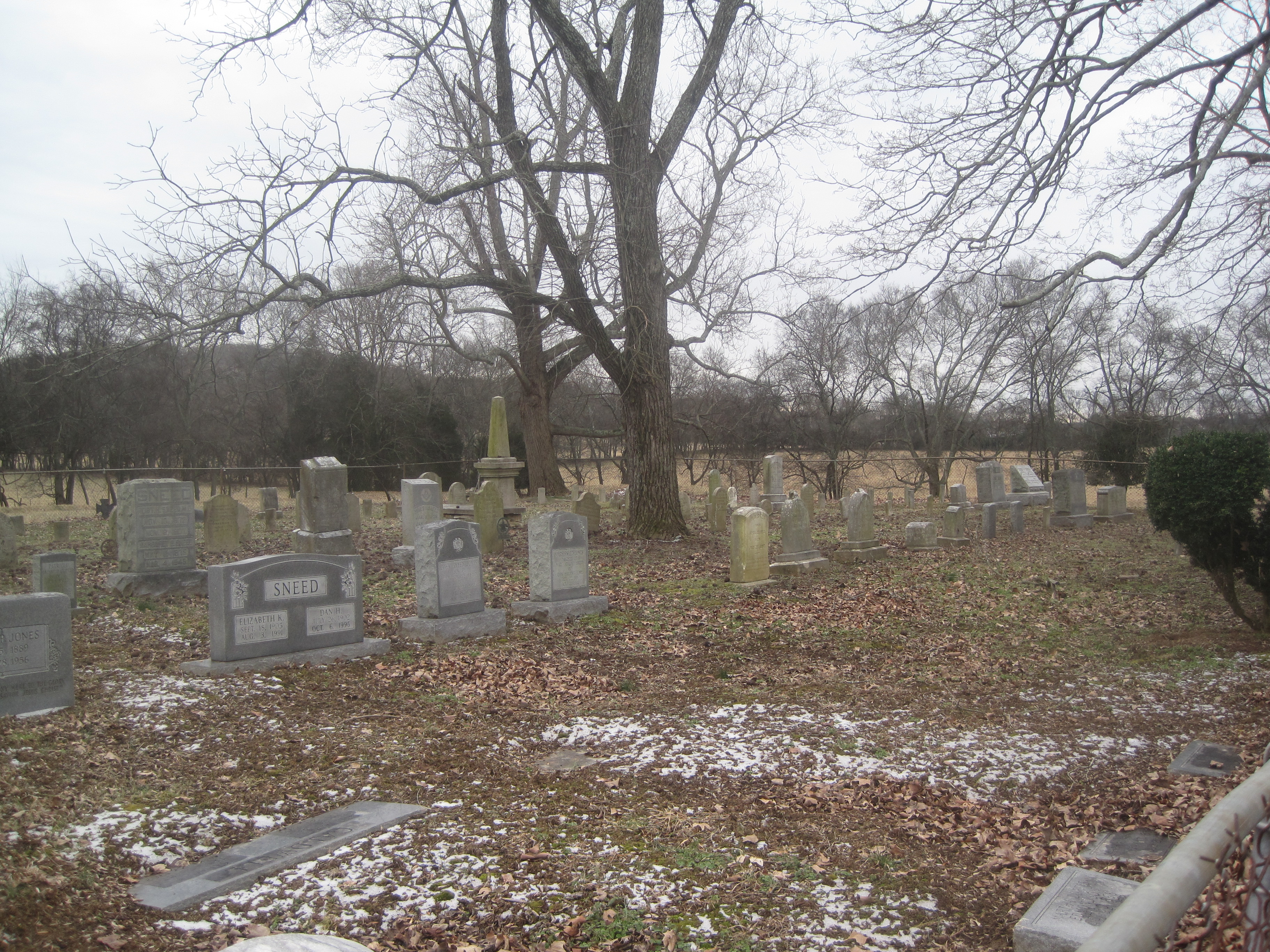
The family cemetery is among the county’s oldest and contains slave burials and the graves of War of 1812 and Civil War veterans. We are just getting this new Center for Historic Preservation project underway, with the hard work coming this fall but certainly Sneed Acres Farm will be a distinguished addition to the Tennessee Century Farms program.

Image


Freed House, Trenton

Few Victorian houses in West Tennessee speak more strongly to their time and place than the Julius Freed House in Trenton.

20131201-085241.jpg
Listed in the National Register, the house documents the impact of Jewish merchants in the post Civil War South. It even served as a synagogue for the tiny Jewish community in the region.

20131201-085639.jpg
The house needs our help–repairs are needed at several places–but it needs our embrace more. It is often forgotten or neglected but it really is a jewel.

Trenton Rosenwald School

20131126-073638.jpg
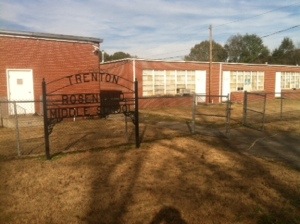
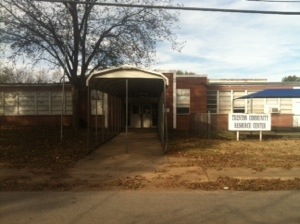
Two weeks ago, as Hollis Skinner and others introduced me to key heritage resources in Gibson County, we stopped at the Trenton Rosenwald School. Located where the Rosenwald Fund sop ported a new black school in the 1920s, the current building dates to the 1950s and 1960s.

20131126-074026.jpg
Here is a category of buildings and a period of our history that need greater attention. Only when the end of Jim Crow segregation neared did Tennessee communities give more than lip service to the legal concept of separate but equal. Local African American communities took the new buildings, embraced them as community centers and continued their fight for civil rights. The clock was not going to be stopped or turned back.
The last photo is Dr Rachel Martin, the assistant director of the MTSU Center for historic Preservation speaking at a community gathering in the school gym,

20131126-074705.jpg

Mt Zion CME Church and School, Gibson County

20131121-204202.jpg
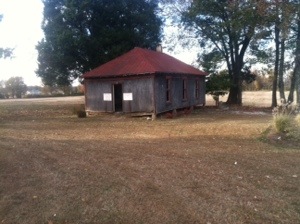
A week ago a group of African Americans in Gibson County gave me the great honor of sharing the historic Mt Zion Church/School. What a great property. There is a sign stating that deed for the land was transferred in 1855.

20131121-204535.jpg
When the building was actually constructed will be determined by research but whatever that date may be, the significance of this sacred place is clear.

20131121-205515.jpg